Physical therapy has emerged as a crucial component of healthcare, especially in urban areas like Queens, where the diversity of the population brings unique challenges and needs. With increasing awareness about the importance of rehabilitation and preventive care, understanding the options and benefits available in your area is essential. This article explores various aspects of physical therapy in Queens, providing insights that can help individuals make informed decisions about their health and wellness.
1. Importance of Personalized Treatment Plans
Personalized treatment plans are vital in physical therapy as they address the specific needs of each patient. Unlike a one-size-fits-all approach, customized plans consider individual health histories, physical capabilities, and personal goals.
This approach is particularly important for residents of Queens, where varying lifestyles and physical demands can influence rehabilitation needs. For instance, someone recovering from knee surgery will require a different regimen than an athlete looking to enhance performance.
A common misconception is that all physical therapy is the same. However, personalized plans can significantly improve outcomes and speed up recovery times.
2. Access to Specialized Therapists
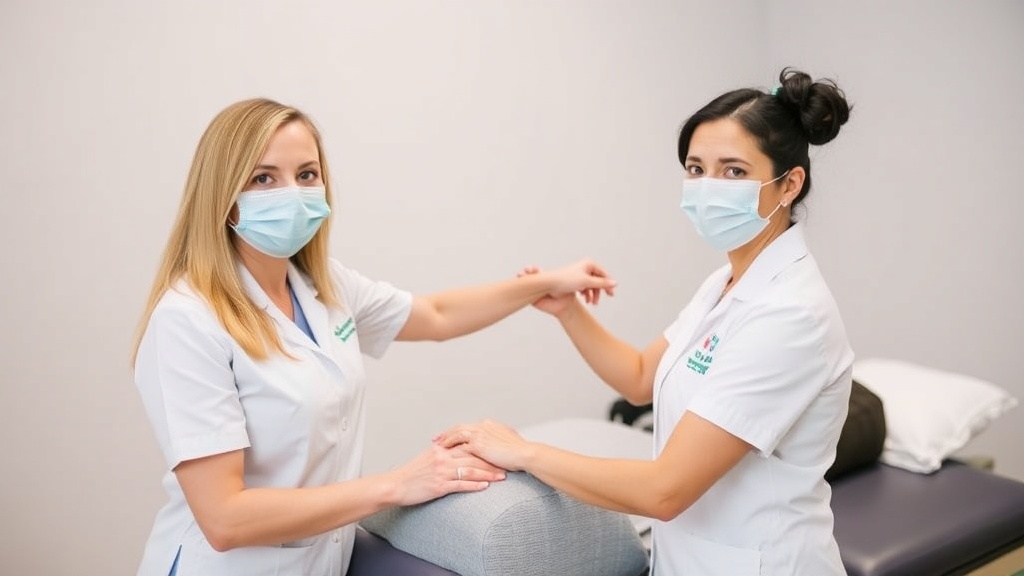
Queens boasts a diverse array of specialized physical therapists trained in various disciplines such as orthopedics, geriatrics, pediatrics, and sports medicine. This variety allows patients to find professionals who understand their specific conditions and can offer targeted therapies.
This is especially beneficial for those with chronic conditions or specific injuries requiring expert attention. Understanding that not all therapists have the same expertise can prevent patients from settling for subpar care.
Many mistakenly think that any physical therapist can treat any condition. In reality, specialized knowledge can make a significant difference in recovery and rehabilitation.
3. The Role of Community Resources
Community resources, including local health fairs, workshops, and support groups, play a crucial role in promoting physical therapy in Queens. These resources provide education about injury prevention, wellness strategies, and the importance of physical activity.
Engagement in community programs can be particularly helpful for residents looking to maintain their health or recover from injuries. Many people overlook these resources, thinking they are not necessary unless they are currently injured. However, proactive participation can enhance overall well-being and reduce the risk of injuries.
4. Integrating Technology in Treatment
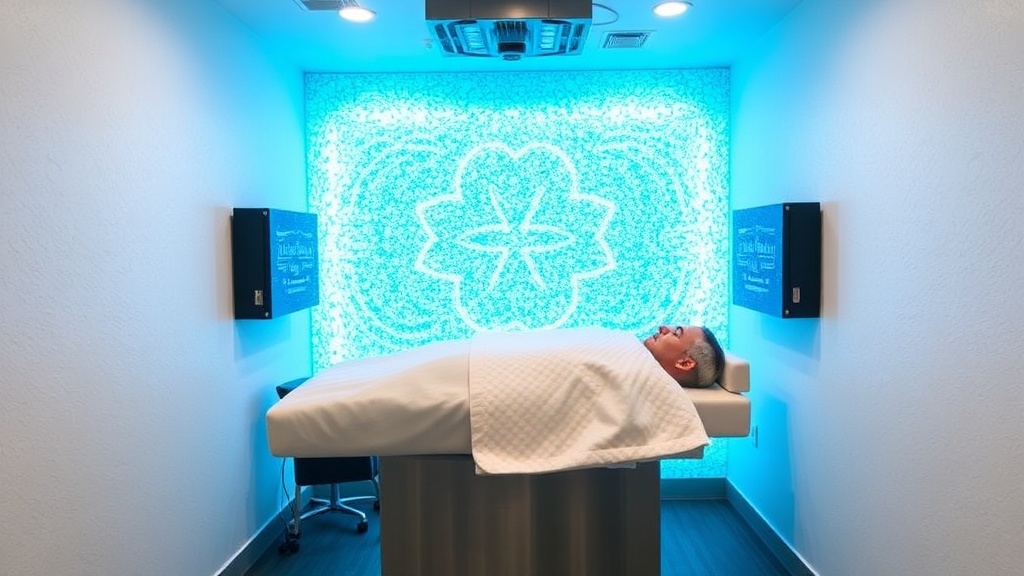
Technology has transformed physical therapy, introducing tools like telehealth consultations, mobile apps for tracking progress, and advanced rehabilitation equipment. These innovations have made therapy more accessible and efficient, especially for those with busy schedules or mobility issues.
Queens residents can benefit from these technological advancements by accessing care without the barriers of travel or time constraints. Some may undervalue the effectiveness of telehealth, thinking that in-person visits are always superior. However, many find that remote sessions can be equally beneficial when combined with in-person visits.
5. Importance of Continuous Education and Training
Continuous education for physical therapists is essential for providing the best care. Therapists in Queens often attend workshops and training sessions to stay updated on the latest techniques and research findings.
This commitment to ongoing learning ensures that patients receive state-of-the-art treatments and therapies. Patients should inquire about their therapist’s education and training to ensure they are receiving care from a knowledgeable professional. A common mistake is assuming that once therapists are licensed, they do not need further education, which is far from the truth.
6. The Impact of Multidisciplinary Teams
Multidisciplinary teams in healthcare settings can enhance the effectiveness of physical therapy. In Queens, many clinics collaborate with doctors, nutritionists, and mental health professionals to create comprehensive care plans that address all aspects of a patient’s health.
This holistic approach is particularly beneficial for patients with complex health issues, as it promotes better communication and coordination between different healthcare providers. Some patients may not realize the benefits of such collaboration and may seek care in isolation, potentially missing out on broader insights and treatment options.
7. Emphasizing Preventive Care
Preventive care is a critical focus in physical therapy, aiming to reduce the risk of injuries and chronic conditions through education and proactive measures. Physical therapists in Queens emphasize exercises, ergonomics, and lifestyle modifications that help patients maintain their health.
Understanding the significance of preventive care can empower individuals to take charge of their health rather than waiting for injuries to occur. Many mistakenly believe that physical therapy is only for rehabilitation, not recognizing its preventive potential.
8. Building a Support Network
A strong support network can significantly impact the success of physical therapy. Patients in Queens are encouraged to involve family and friends in their rehabilitation journeys, as social support can enhance motivation and adherence to treatment plans.
Recognizing the value of a supportive environment can lead to better outcomes. Some individuals may underestimate this aspect, thinking they can manage their recovery alone, which can hinder progress.
9. Understanding Insurance Coverage and Costs
Understanding insurance coverage for physical therapy is essential for Queens residents. Different plans have varying levels of coverage, and being informed can help avoid unexpected costs.
Many patients are unaware of their benefits or may assume that all therapy is covered. Taking the time to review insurance details can lead to better financial planning and access to necessary treatments.
10. The Future of Physical Therapy in Queens
The future of physical therapy in Queens looks promising, with advancements in treatment methods and a growing emphasis on patient-centered care. As awareness continues to grow, more individuals will likely seek out physical therapy as a vital aspect of their health management.
This ongoing evolution presents an opportunity for residents to engage with their therapists and advocate for their health needs actively. Some may resist these changes, preferring traditional methods, but embracing new approaches can lead to better outcomes.
Understanding physical therapy in Queens is more than just knowing about the services available; it involves recognizing the importance of personalized care, technology, community resources, and proactive health management. As the field continues to evolve, staying informed and engaged will be key to maximizing health and wellness.